Musashi Font: Modern Display Type for Business Branding
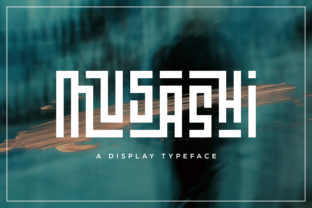
As a small business owner, finding the right visual voice is often harder than creating the product itself. Musashi is a modern display font with a unique style that serves as an excellent foundation for any design project requiring a personalized appearance. When you are managing everything from inventory to customer service, your branding needs to work hard without demanding constant redesigns. This typeface offers a distinct personality that helps independent brands stand out in crowded marketplaces while maintaining the professional polish necessary to build trust. Whether you are launching a new Etsy shop, rebranding a local café, or updating your coaching website, understanding how to leverage this specific typography can transform your customer-facing materials from generic to memorable.
Musashi Display Font for Logo Design and Brand Identity
Establishing a recognizable brand identity starts with a logo that feels authentic, and Musashi provides the structural uniqueness needed for modern logo design. As a display font, it carries enough visual weight to serve as the primary wordmark for boutique businesses, artisanal makers, and creative startups. The unique style of this typeface allows it to function as a standalone graphic element, reducing the need for complex icons that can sometimes clutter small business branding. For a handmade jewelry seller or a specialty coffee roaster, using Musashi in the logo signals craftsmanship and intentionality rather than mass production.
When applying this font to your core brand identity, consider how it scales across different mediums. A logo must look as good on a tiny Instagram profile picture as it does on a storefront sign. Because Musashi has a personalized appearance, it avoids the sterile look of default system fonts while remaining legible at larger sizes. This balance is critical for entrepreneurs who need their branding to feel bespoke but still commercially viable. Before finalizing your logo, test the typeface in black and white to ensure the unique stylistic elements hold up without relying on color effects or gradients.
Using Musashi for Product Packaging and Label Design
Packaging is often the first physical touchpoint a customer has with your brand, and Musashi is a modern display font that excels in creating shelf appeal. For product labels, candle jars, cosmetic boxes, or food packaging, this typeface adds a layer of premium perception that justifies higher price points. The unique style works particularly well for short product names or collection titles where space is limited but impact is essential. Unlike body text fonts designed for long paragraphs, display fonts like Musashi are engineered to capture attention quickly, making them ideal for retail environments where split-second decisions determine sales.
However, practical application requires attention to readability on curved surfaces and textured papers. If you are printing on kraft paper or matte labels, ensure the stroke weight of Musashi remains crisp. You might use this font for the main product name while pairing it with a simple sans serif for ingredients or instructions. This hierarchy ensures compliance with labeling regulations while keeping the aesthetic cohesive. Always verify commercial licensing before printing bulk packaging, as using a personal-use-only version for products sold to customers can lead to legal complications for your business.
Musashi Typography for Social Media Graphics and Digital Ads
Consistency across digital platforms builds audience recognition, and Fonts like Musashi help maintain that visual thread through social media content. When creating Instagram carousels, Pinterest pins, or Facebook ad creatives, this modern display font acts as a scroll-stopper. Its personalized appearance cuts through the noise of generic templates, signaling to potential customers that your content is original and worth their time. For service providers like photographers or consultants, using Musashi for headline overlays on educational reels or quote graphics reinforces your expertise and unique brand voice.
Digital readability differs significantly from print, so testing is vital. On mobile screens, intricate details can get lost, so reserve Musashi for large headlines rather than captions. Pair it with a highly legible web-safe font for body copy to ensure accessibility. When designing ad creatives, remember that platforms often crop images; keep your Musashi headlines centered or within safe zones. This strategic use of typography not only improves engagement rates but also creates a library of reusable templates that save you hours of design time each week.
Musashi Font Pairings for Menus and Business Stationery
Creating a harmonious layout requires balancing expression with utility, and Musashi pairs beautifully with cleaner typefaces for functional business materials. For café menus, bakery price lists, or service brochures, use Musashi for section headers and category titles to guide the eye, while employing a neutral sans serif or readable serif for descriptions and pricing. This contrast prevents visual fatigue and ensures customers can easily find what they need. The unique style of Musashi adds warmth and character to otherwise utilitarian documents, turning a standard menu into an extension of your brand experience.
Business stationery, including thank-you cards, invoices, and business cards, benefits from this same pairing strategy. A handwritten note on a card featuring a Musashi header feels significantly more personal than one printed entirely in Arial. It bridges the gap between professional efficiency and human connection, which is the hallmark of successful small businesses. When selecting your secondary font, look for one that shares similar x-heights or proportions to create a subtle underlying rhythm, even if the styles are visually distinct.
Licensing Musashi for Commercial Products and Client Work
Protecting your business assets is as important as designing them, and understanding font licensing for Musashi is a non-negotiable step for entrepreneurs. Display fonts often have tiered licensing structures depending on usage, such as desktop, webfont, app, or merchandise. If you plan to use Musashi on products for sale, digital downloads, or client deliverables, you must secure the appropriate commercial license. Using a free or personal-use version for business purposes exposes you to copyright infringement risks that can damage your reputation and finances.
Beyond legal compliance, investing in proper licensing supports the type designers who create these valuable tools. Many foundries offer affordable bundles specifically for small businesses that cover multiple use cases. Review the End User License Agreement (EULA) carefully to understand restrictions on modification, redistribution, or embedding. If you hire a freelance designer to create your branding, confirm that they have transferred the correct license to your business or purchased it in your name. This due diligence ensures that as your business grows, your foundational design assets remain secure and legitimate.
Testing Musashi Readability Across Business Touchpoints
A font that looks stunning on a designer’s monitor may fail in real-world applications, so rigorous testing of Musashi is essential before full deployment. Print proofs at actual size to check legibility on packaging and business cards. View social media graphics on both iOS and Android devices to ensure clarity. Test website headers across different browsers and screen widths. The unique style that makes this display font attractive should never compromise functionality. If customers struggle to read your prices, navigate your site, or understand your packaging, the aesthetic value becomes irrelevant.
Gather feedback from people outside your immediate circle during this testing phase. Ask them what mood the font conveys and whether it aligns with your intended brand message. Sometimes a typeface that feels "modern" to the creator reads as "retro" or "chaotic" to the target audience. Adjustments to tracking, leading, or capitalization can often resolve minor readability issues without abandoning the typeface entirely. By validating Musashi across all intended touchpoints, you ensure that your investment in this modern display font translates directly into a stronger, more consistent, and more profitable brand presence.